A Place with Many Different Tasks
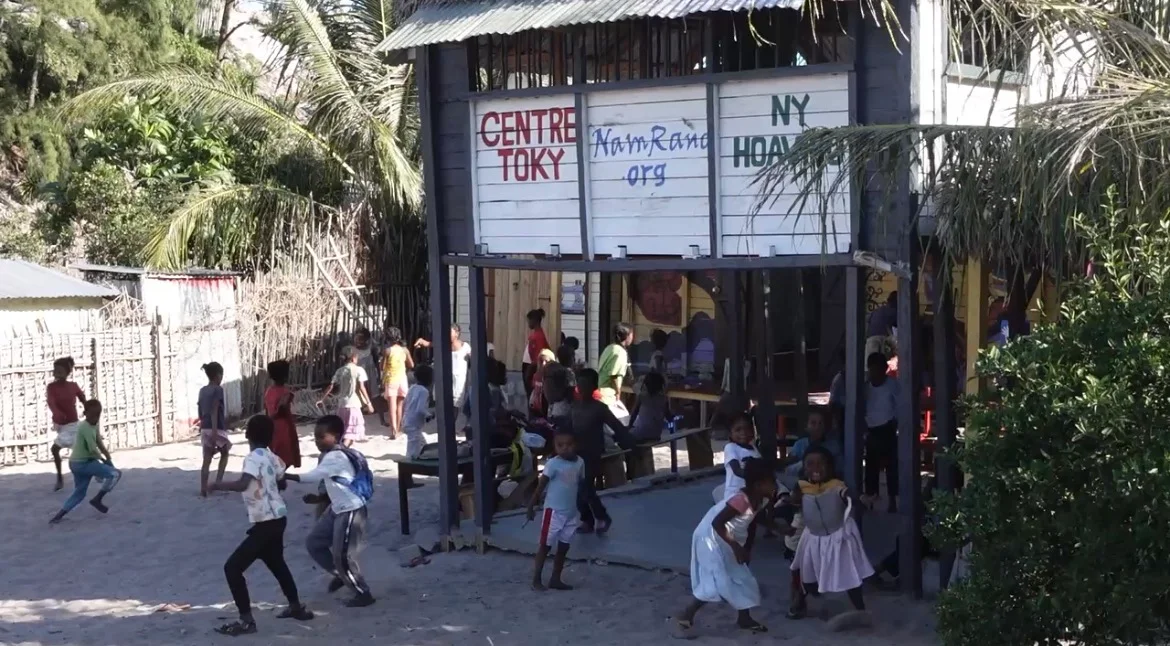
Centre Toky is a non-profit organisation founded by Larissa. She is Malagasy herself and grew up in very difficult and poor circumstances. Today, she tries to give children the opportunities that she did not have herself when she was young. The Centre mainly supports children from families living far below the poverty line. They receive free education, but they also learn important basic skills and knowledge that can help them in everyday life.
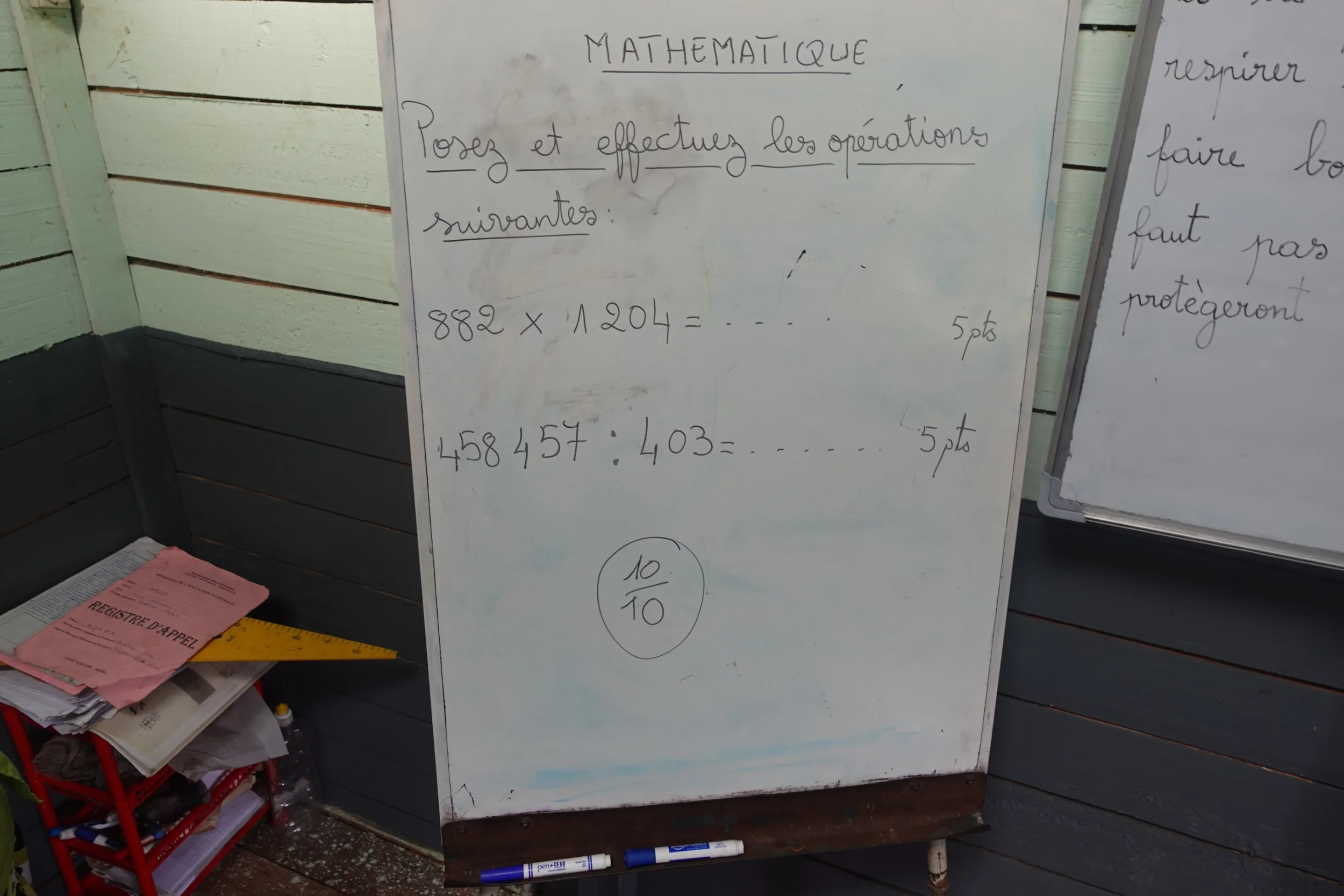
The Centre consists of several different areas. The main building includes literacy classes, preschool and kindergarten. There is also a medical building, a kitchen where free meals are prepared for the children, and Larissa’s office, which is essentially the main station of the entire Centre. This is what makes Centre Toky so special to me: it is not simply about teaching children. The aim is to support them and their families in as many areas of life as possible.
Nine Houses, Nine Different Insights
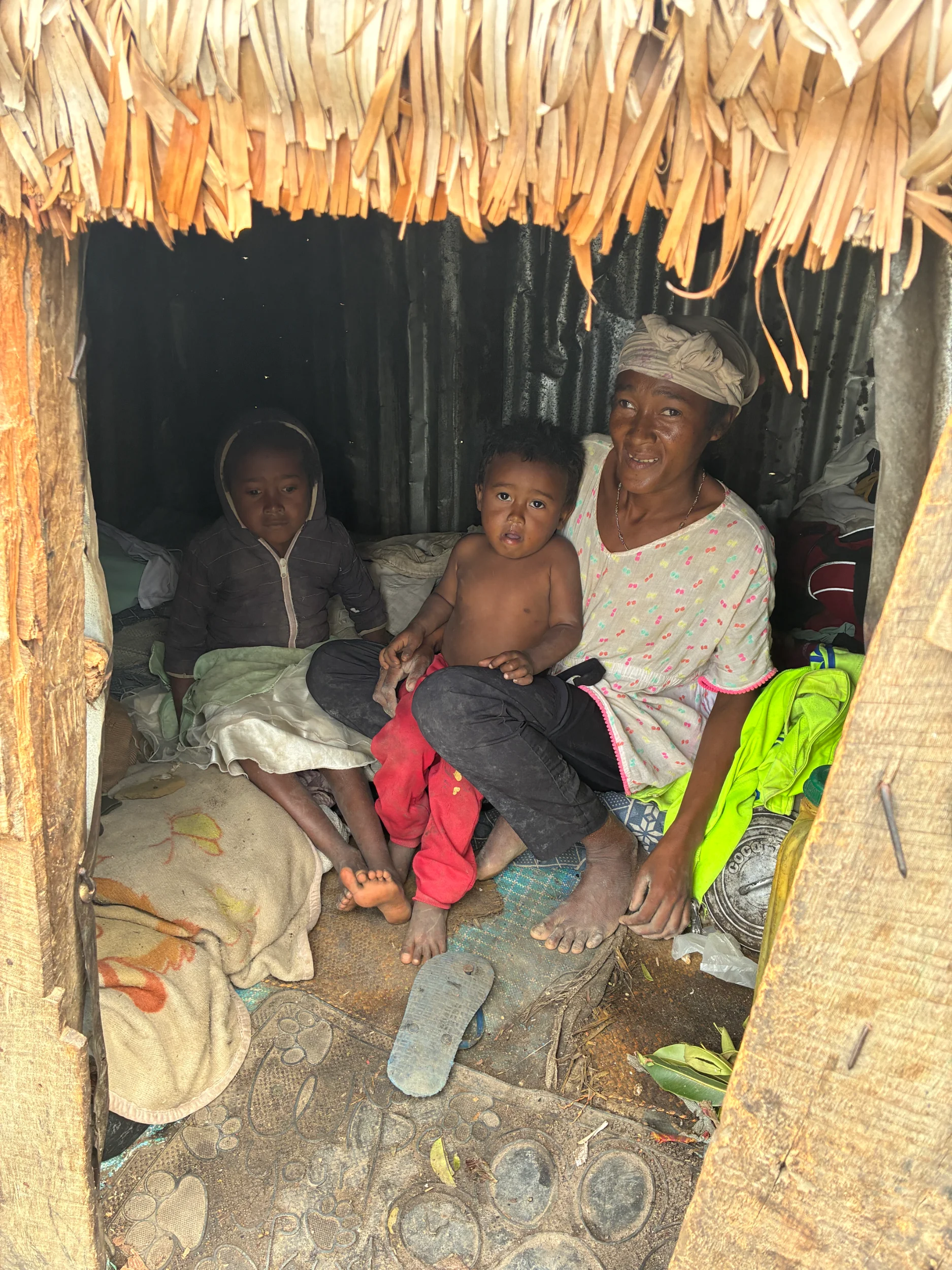
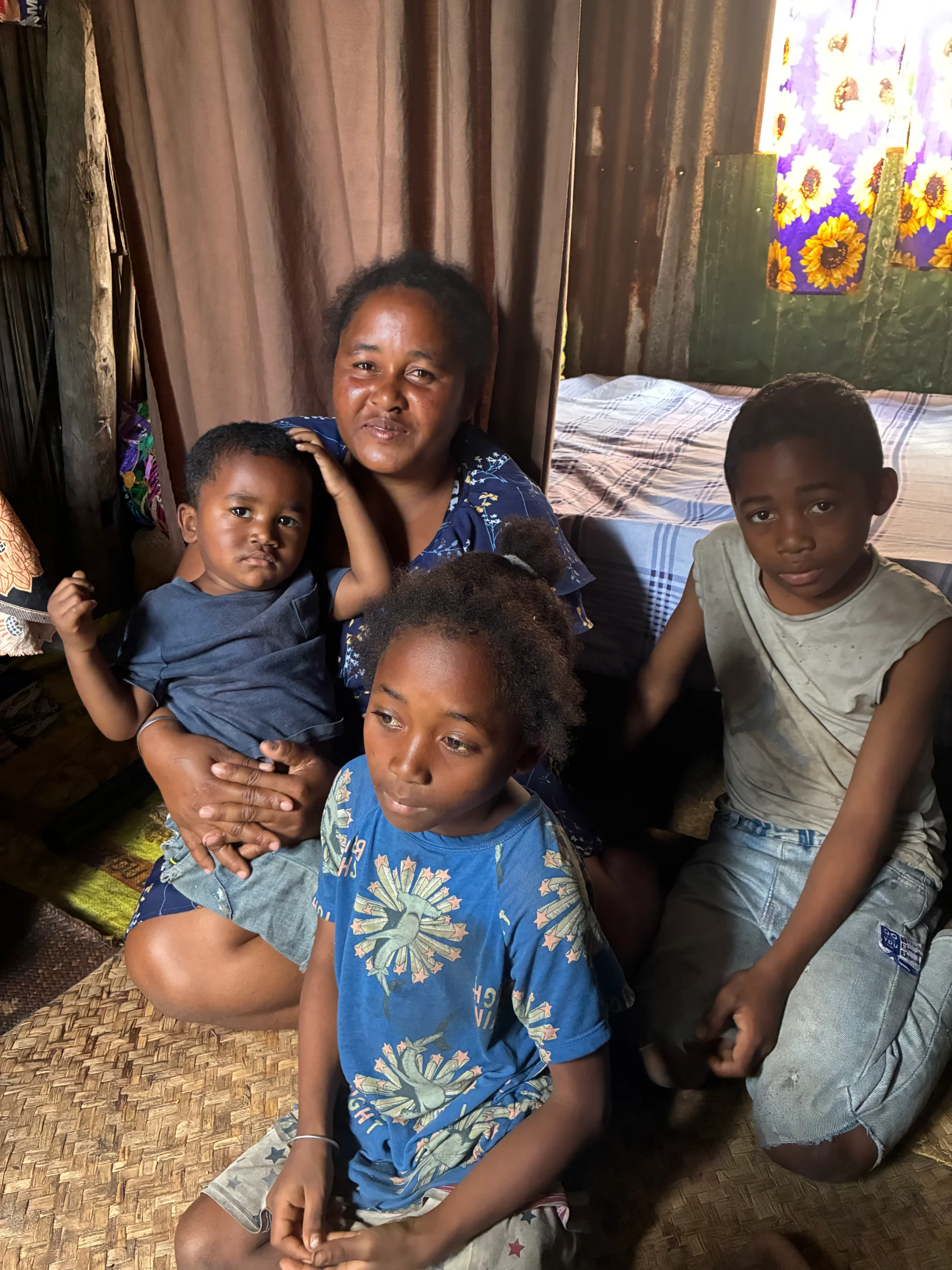
Today, however, the morning begins with something different. From around 9 a.m. until 1 p.m., we visit nine families whose children attend Centre Toky. The purpose of these home visits is to understand how the children live, check their health and living conditions, and find out where the families might need additional support.
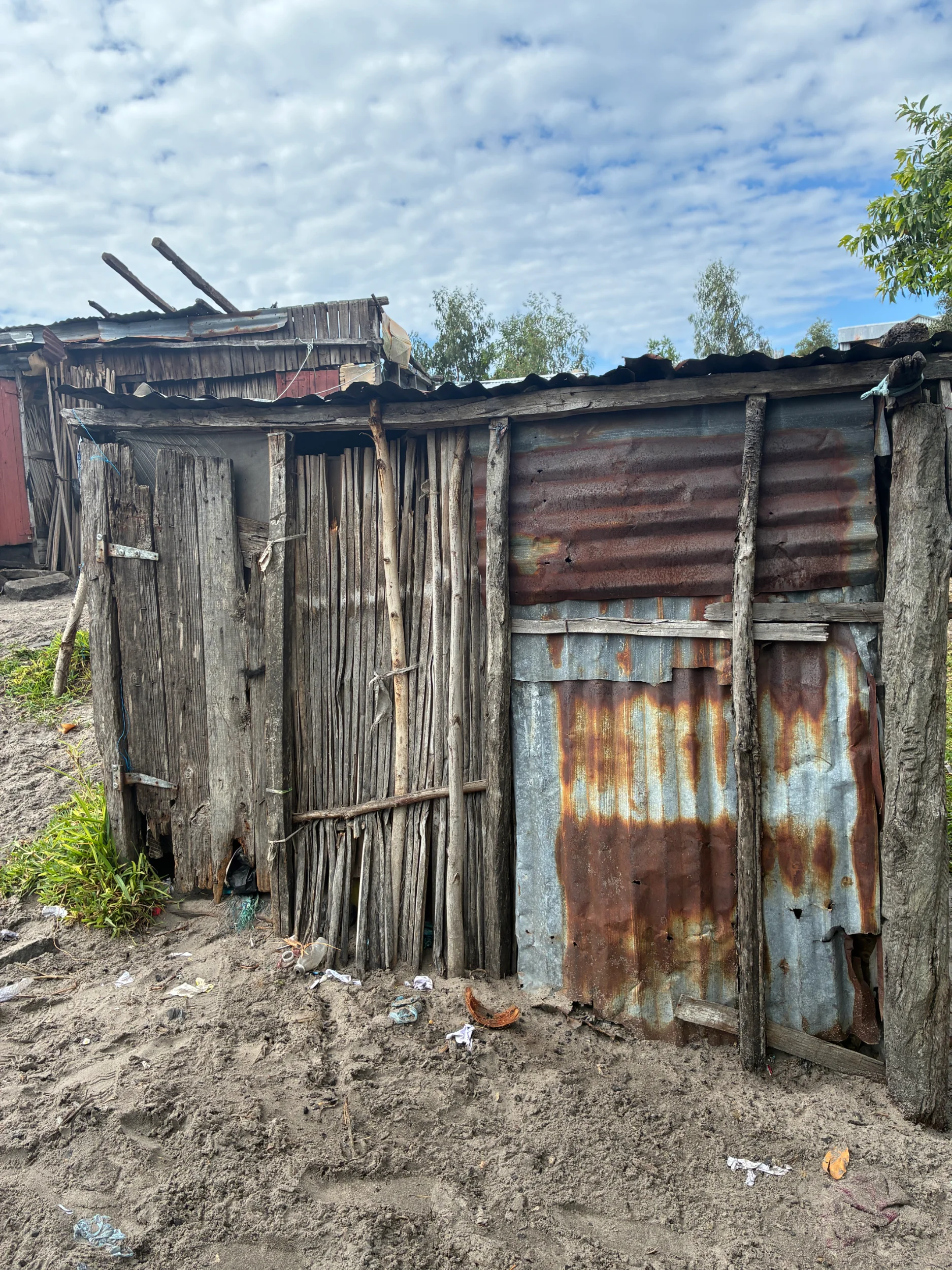
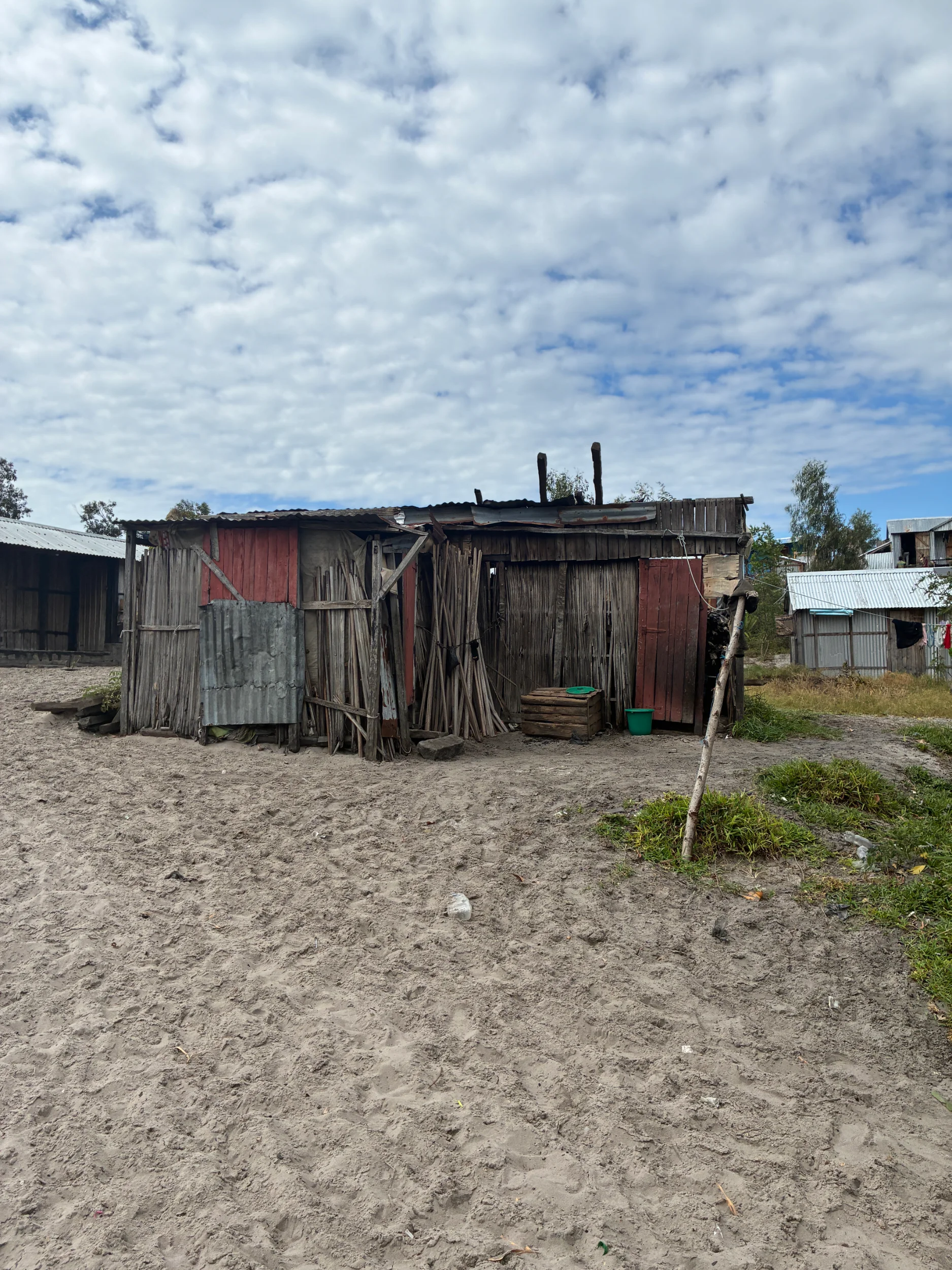
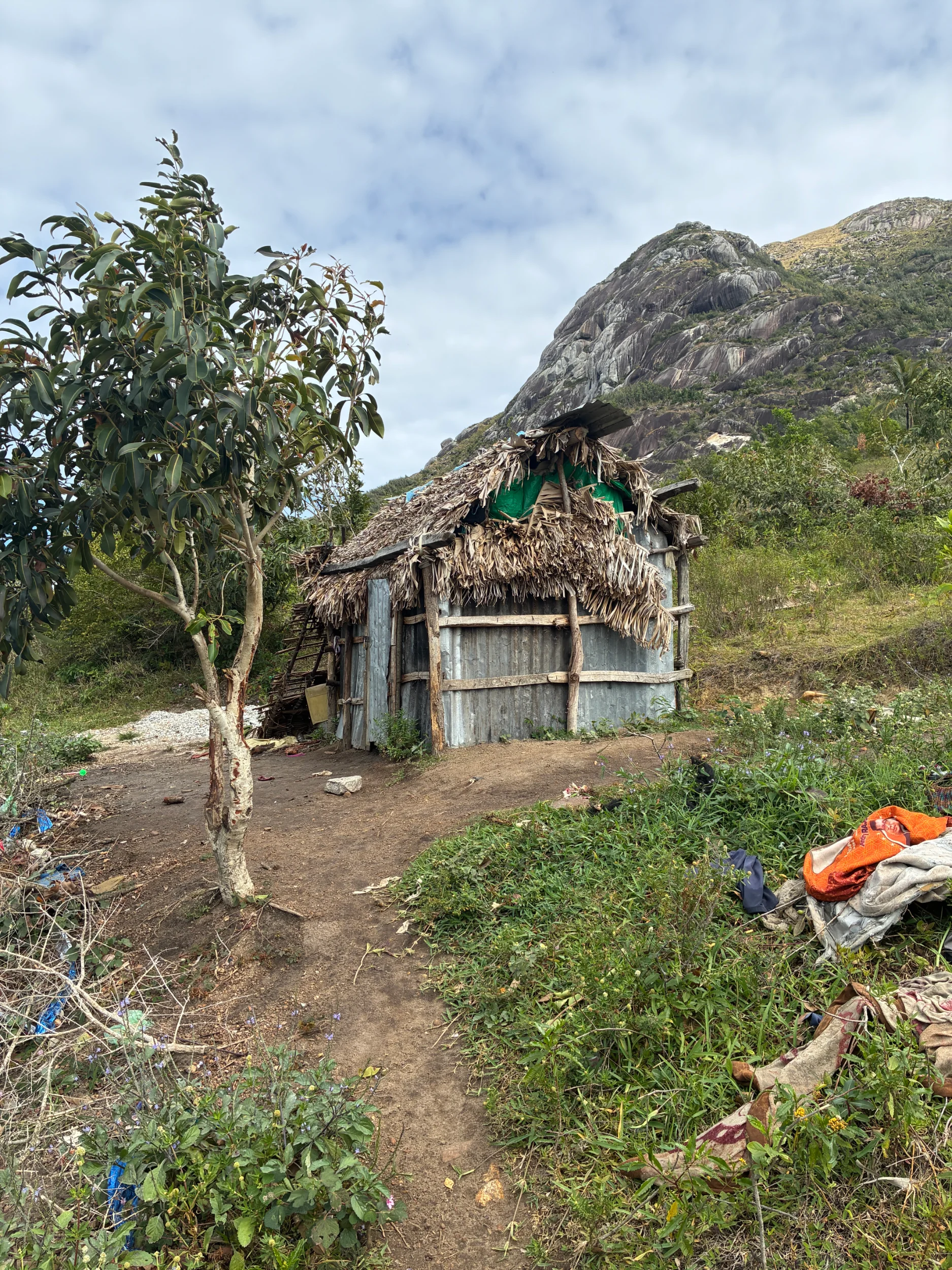
These visits are among the most powerful experiences of my entire time here. In some cases, up to seven people live together in just a few square metres. Many of the homes consist only of wood and sheet metal, and for some families even having enough money for food every day cannot be taken for granted. Centre Toky also tries to help when medical problems arise. Urgent cases are discussed together and, when treatment is necessary, the team looks for ways to finance it. Maria also regularly supports this work and coordinates with Larissa when help is needed.
Nine houses also mean nine completely different stories. Even though I have already seen many sides of Fort-Dauphin, these visits continue to remind me how different everyday life can look for people living only a few kilometres apart.
Lunch, Then English Class
At around 1 p.m., we finish the home visits and have lunch at Larissa’s house. She is an amazing cook, and throughout my time at Centre Toky she has introduced me to many different dishes from Malagasy cuisine.
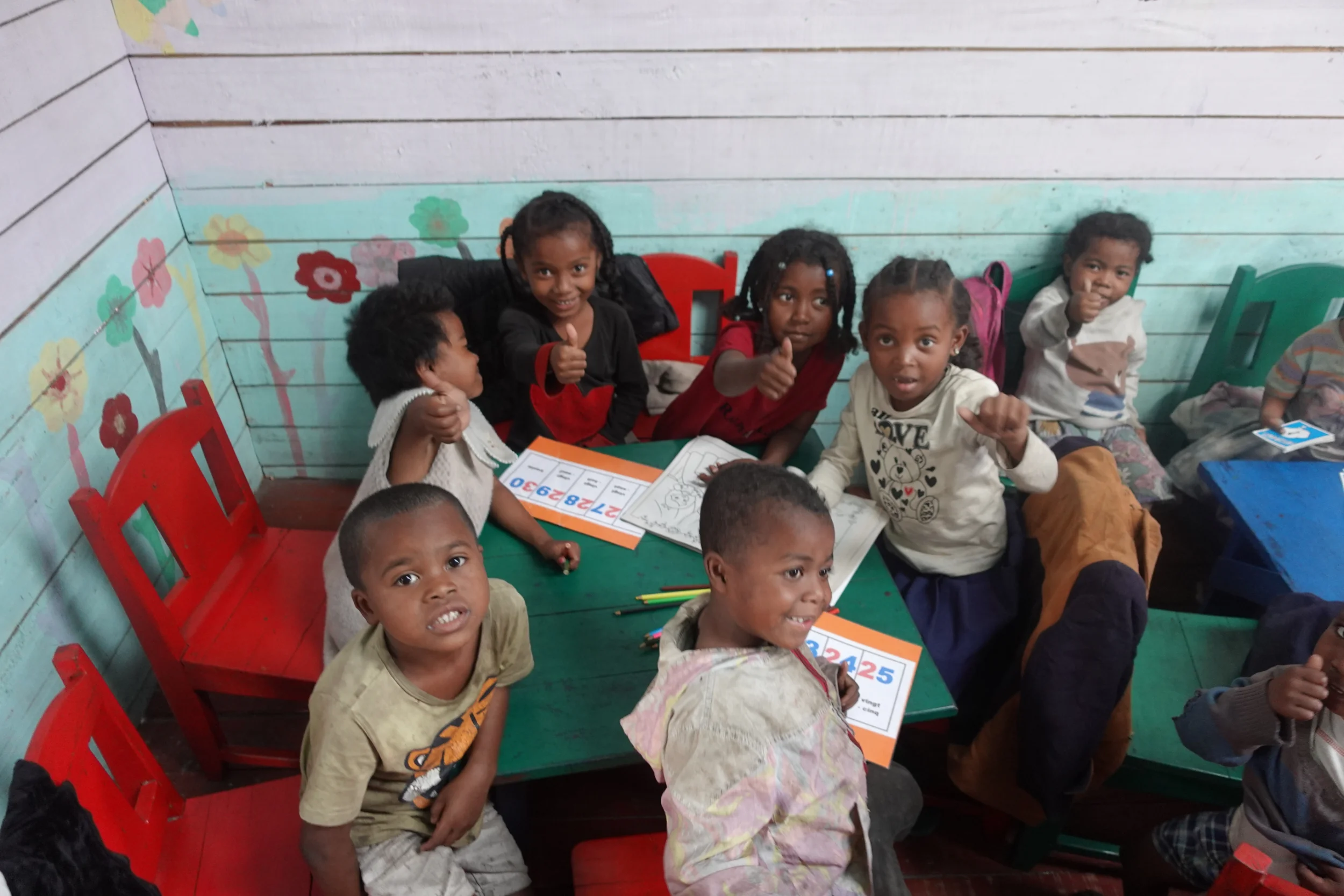
At around 2 p.m., the part of the day for which I am mainly here begins: my English class. Since most of the children only speak very little English so far, I explain many things in French and also use gestures, pictures and simple examples. It works surprisingly well. What continues to impress me is how curious and eager to learn the children are. They participate, try out new words, laugh about their mistakes and often learn incredibly quickly.
More Than Just English
My goal during my six weeks at Centre Toky is obviously not for the children to speak perfect English by the time I leave. What matters much more to me is giving them a foundation and perhaps also the motivation to continue learning after I am gone.
Working here constantly reminds me that these children do not lack intelligence or potential. Very often, what they lack are simply the opportunities, support and resources needed to make use of that potential. That is exactly why the work of Centre Toky is so important.
At around 4:30 p.m., my working day at the Centre usually comes to an end. Some of the children often walk with me to the road before I take another Bajaj back to Marillac. There, I rest for a while, later have dinner with the brothers and then usually spend another few hours working on Project Anosy, photos, videos or my blog posts. At around 11 p.m., a very long, but usually very fulfilling, day finally comes to an end.