News
My First Days of Work
My first days of work in Madagascar: curious children, creative games, moving home visits – and insights that left me speechless.
August 12 – My First Day at Marillac Monastery
Meeting the Children
As Madagascar is currently also on summer holidays, there are no regular classes at the public schools at the moment. At Marillac Monastery, however, a day program for children is offered every Monday, Wednesday and Saturday, where they can spend time together and receive a free lunch. This is exactly where my first real day of work was going to take place.
My day started at 5:45 a.m. with Mass. At 7:00 a.m., I had breakfast together with the other brothers and fathers – and if you have been following my previous days here, you can probably already guess what we had: rice. I think I will have to get used to it here.
At 8:30 a.m., the day officially began. I walked about a hundred meters from the Lazarist building to a place where all the children had already gathered. To be completely honest, I felt a little strange at first. I had no idea how the children would react to me. I was a stranger in their environment, while at the same time I was now going to become part of their everyday lives.
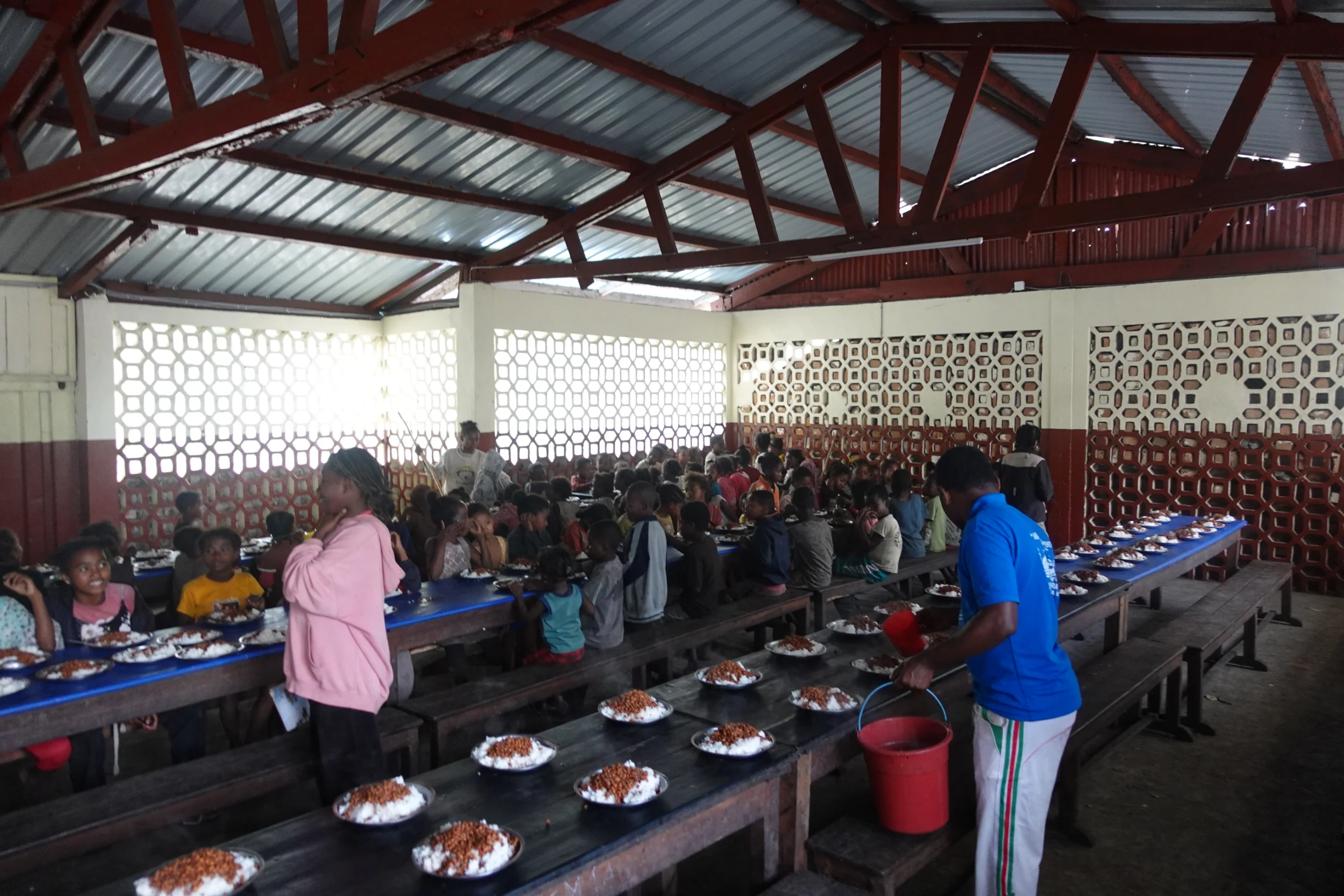
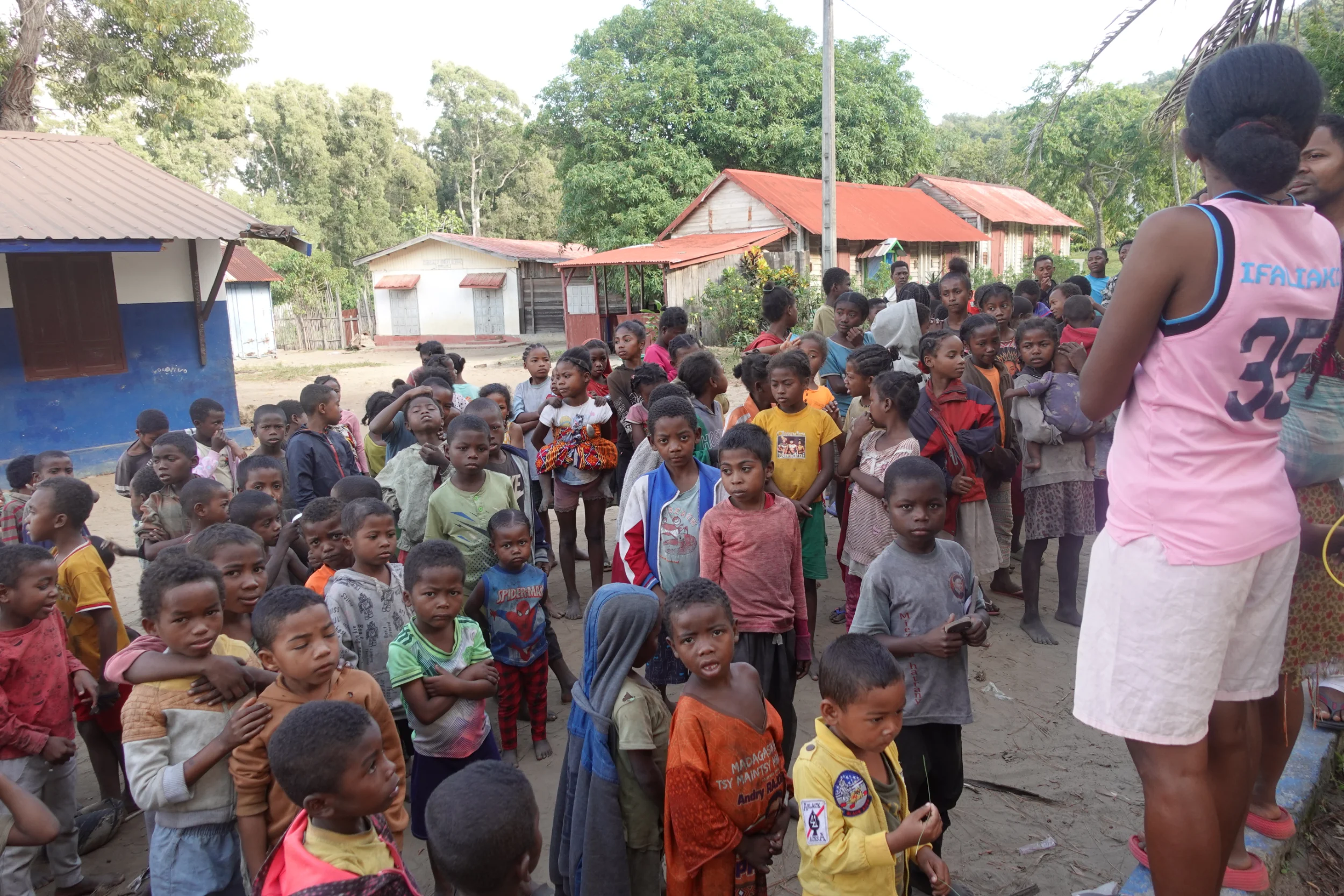
At the beginning of every day, there is a meeting with all the children. The children, who are between approximately 6 and 16 years old, are divided into different groups, and their attendance is recorded. This is important so that enough food can be prepared for everyone. The meals are free for the children and are partly made possible through the support of Maria and Norbert.
Together with Brother Isidore, I stood at the meeting. He introduced me in Malagasy. Since the children do not speak French, communication was not easy at first. I therefore had to quickly find another way to connect with them.
Playing, Rice and First Encounters
After the meeting, the children went to play. And that is when I immediately learned something that would accompany me throughout the following weeks: you need surprisingly little to have a lot of fun. They create games with marbles, sticks and stones that I had never seen before. And of course, they also play football – just like we do in Europe. There was only one small difference: their football was made from a net filled with countless pieces of tightly compressed plastic.
And yet, they played with just as much enthusiasm.
On my first day, I mainly observed and tried to learn a few more words in Malagasy. I already knew “Salama” for hello and “Veluma” for goodbye. Unfortunately, that was nowhere near enough to communicate with the children. To my surprise, however, the children were not shy at all. Quite the opposite: they were incredibly curious and immediately came up to me.
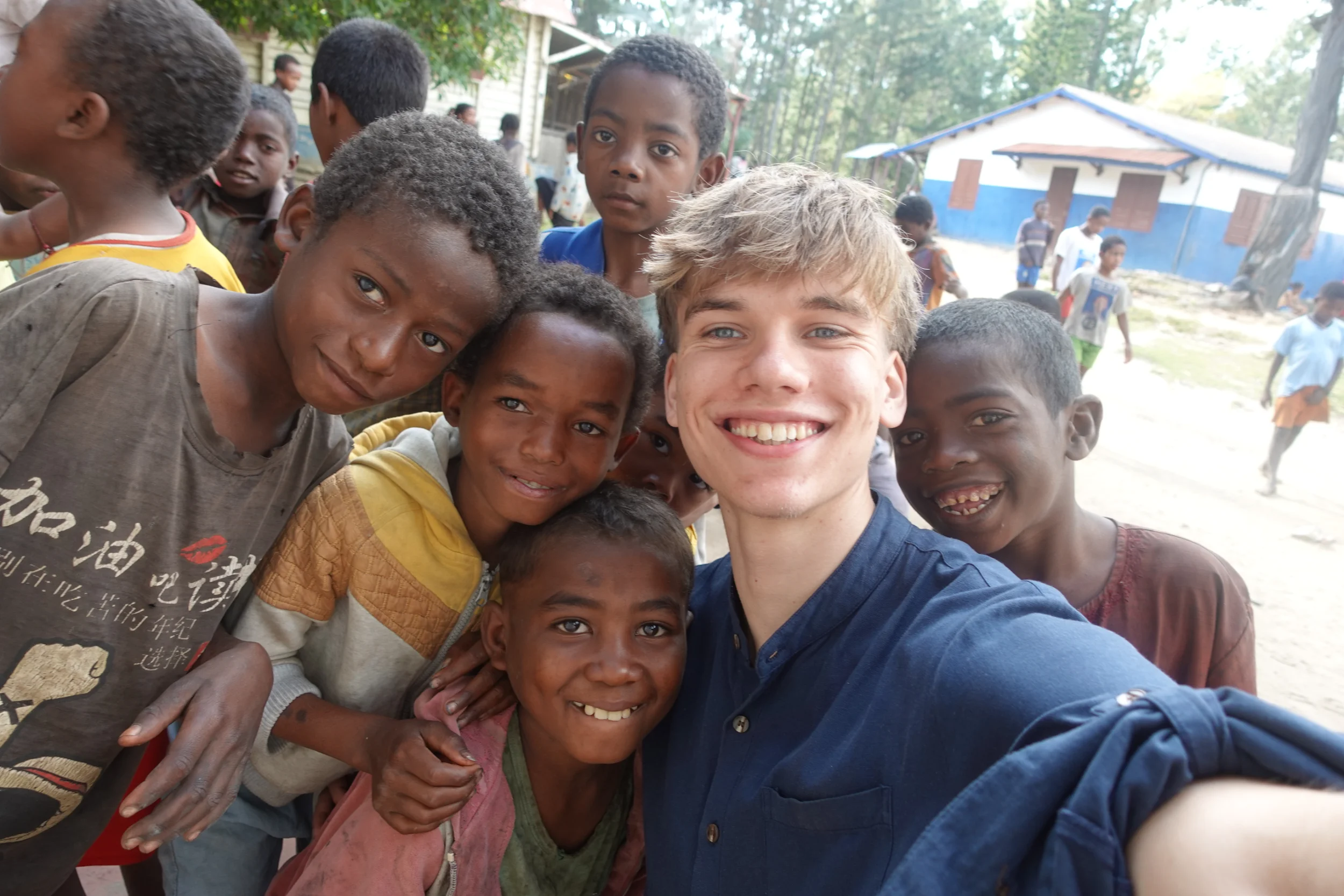
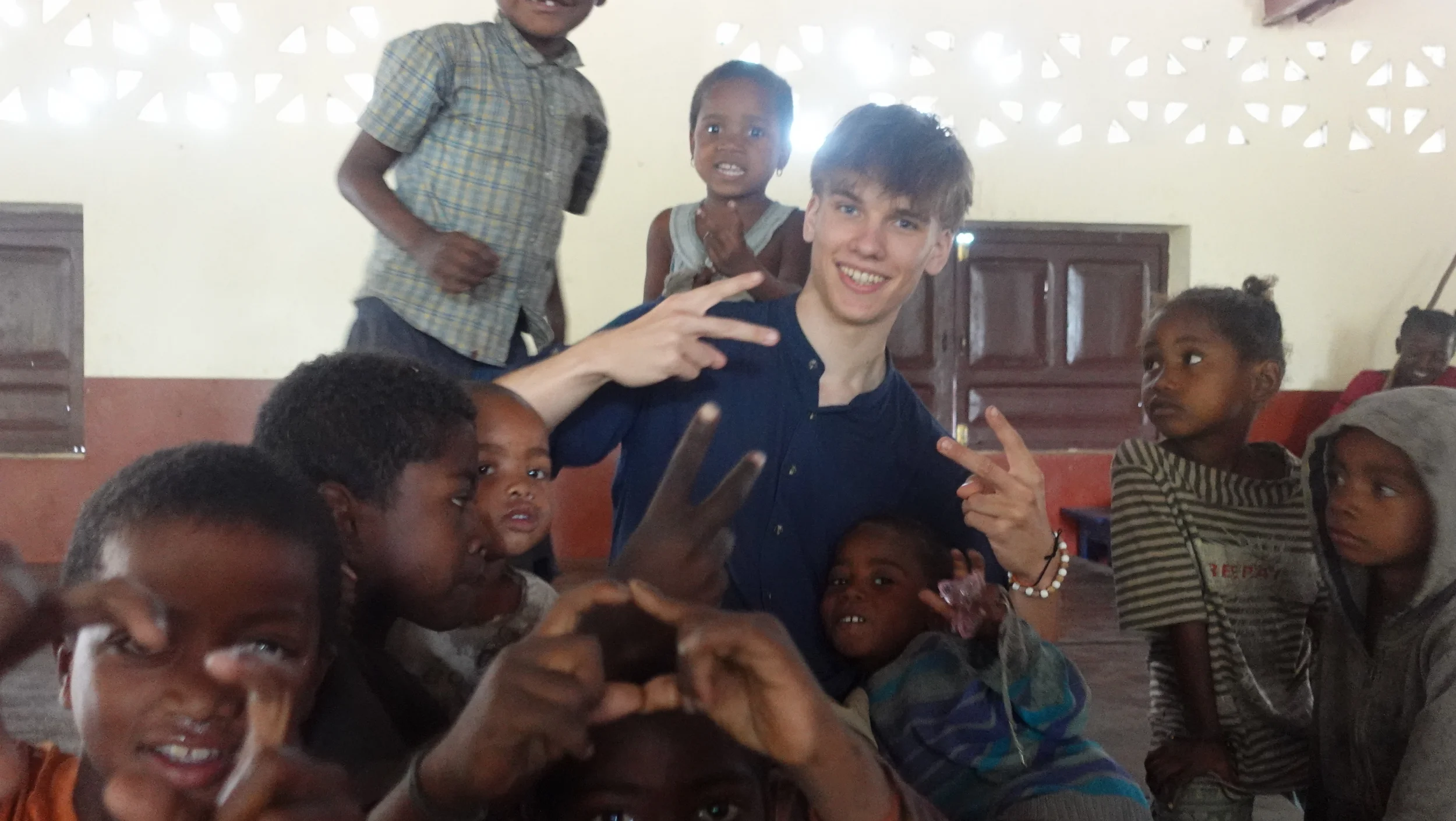
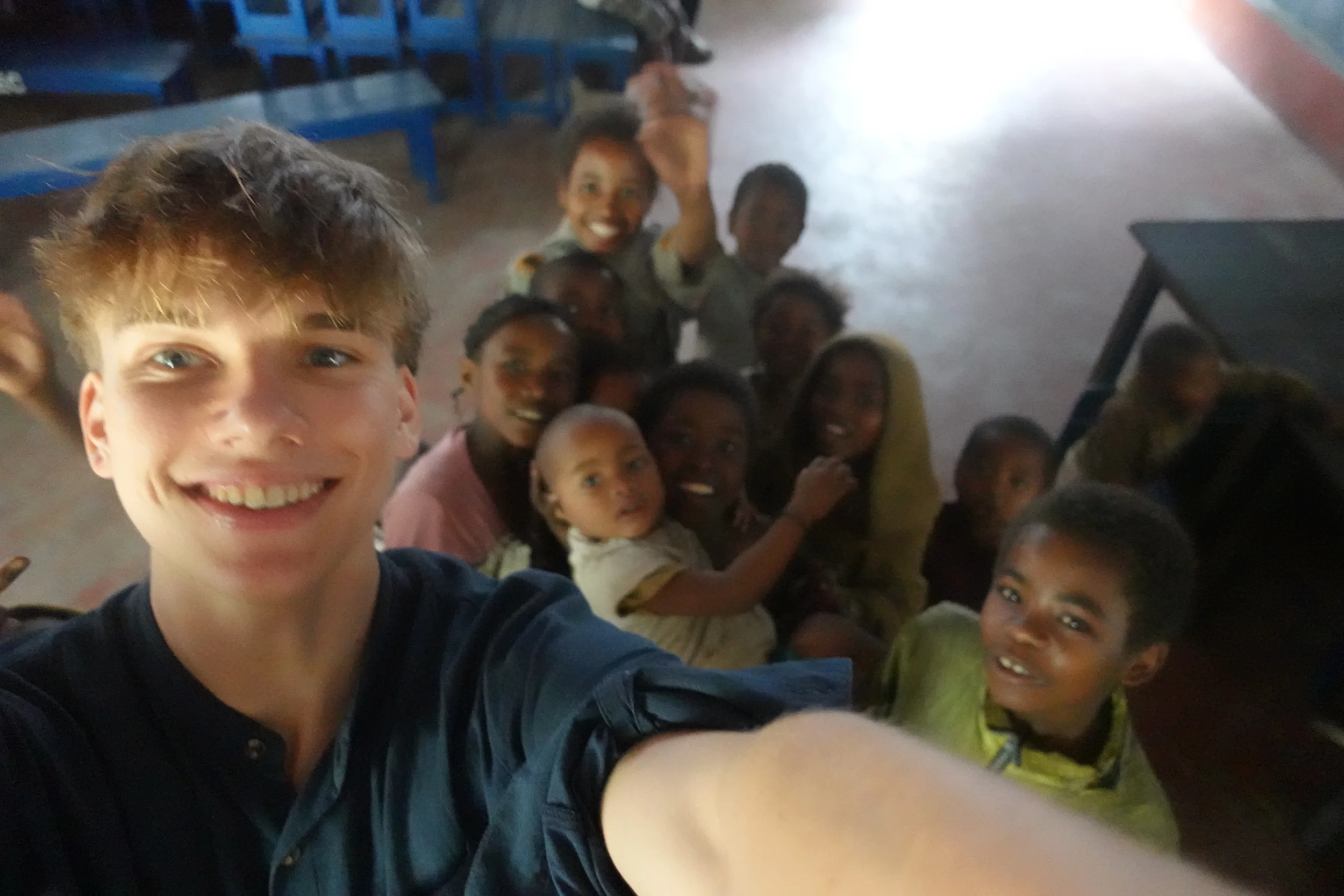
They especially loved my camera. As soon as I started taking pictures, everyone suddenly wanted to be in them. It was both funny and quite a challenge – because try getting a whole group of children into one picture at the same time.
Around 12:00 p.m., lunch was ready for the children. Rice and beans were cooked over traditional fires, and everyone received an appropriate portion depending on their age. Then it was our turn: the brothers and I had lunch as well. Of course, there was rice again. It is slowly becoming a constant part of my stay. :D
The rest of the day was mainly about getting to know everyone. I talked to many of the brothers and fathers, asked questions about what life is like here and simply tried to take everything in. In the evening, we had dinner together. Afterwards, I prepared for the following day, when I would be working at Centre Toky for the first time – and I was especially excited about that.
August 13 – A Look into the Families’ Lives
Home Visits with Centre Toky
The next morning, Larissa, the founder of Centre Toky, had asked me to be there at 9:00 a.m. So I had a relaxed breakfast with the brothers at 7:00 a.m. Afterwards, I drove to Centre Toky one last time together with Maria. I wanted to memorize the route more carefully, because the Centre is located in the middle of a neighborhood in Fort-Dauphin and is not particularly easy to reach.
When I arrived at around 9:00 a.m., I immediately met Larissa’s husband and another member of the team. Together, we would visit the homes of some of the children until noon. I had been looking forward to this part of my work all week. Not because I knew what to expect, but precisely because I didn't.
Getting this close to people’s everyday lives, meeting their families and learning about their problems and living conditions was one of the experiences I had been looking forward to most since the beginning of my trip.
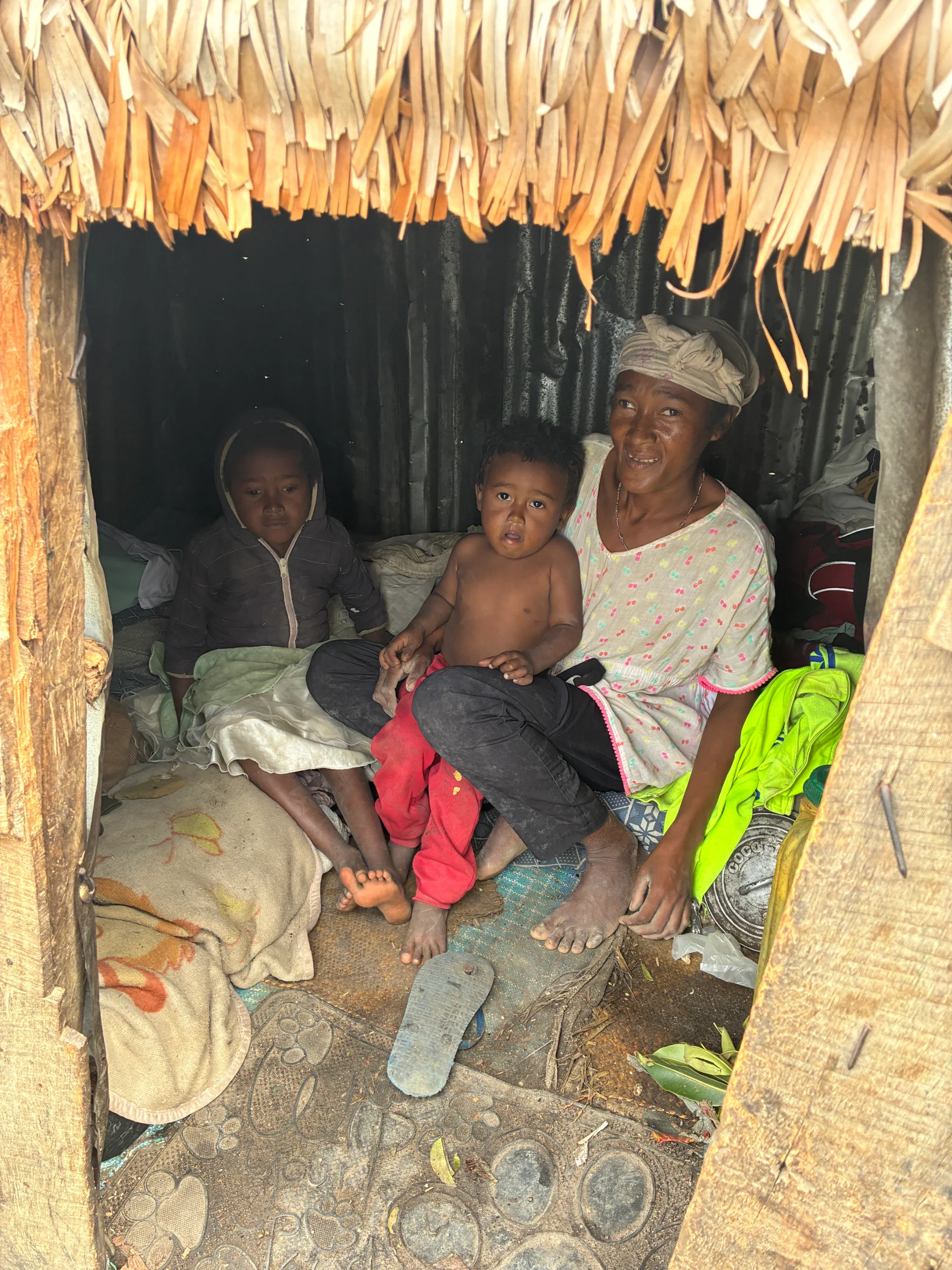
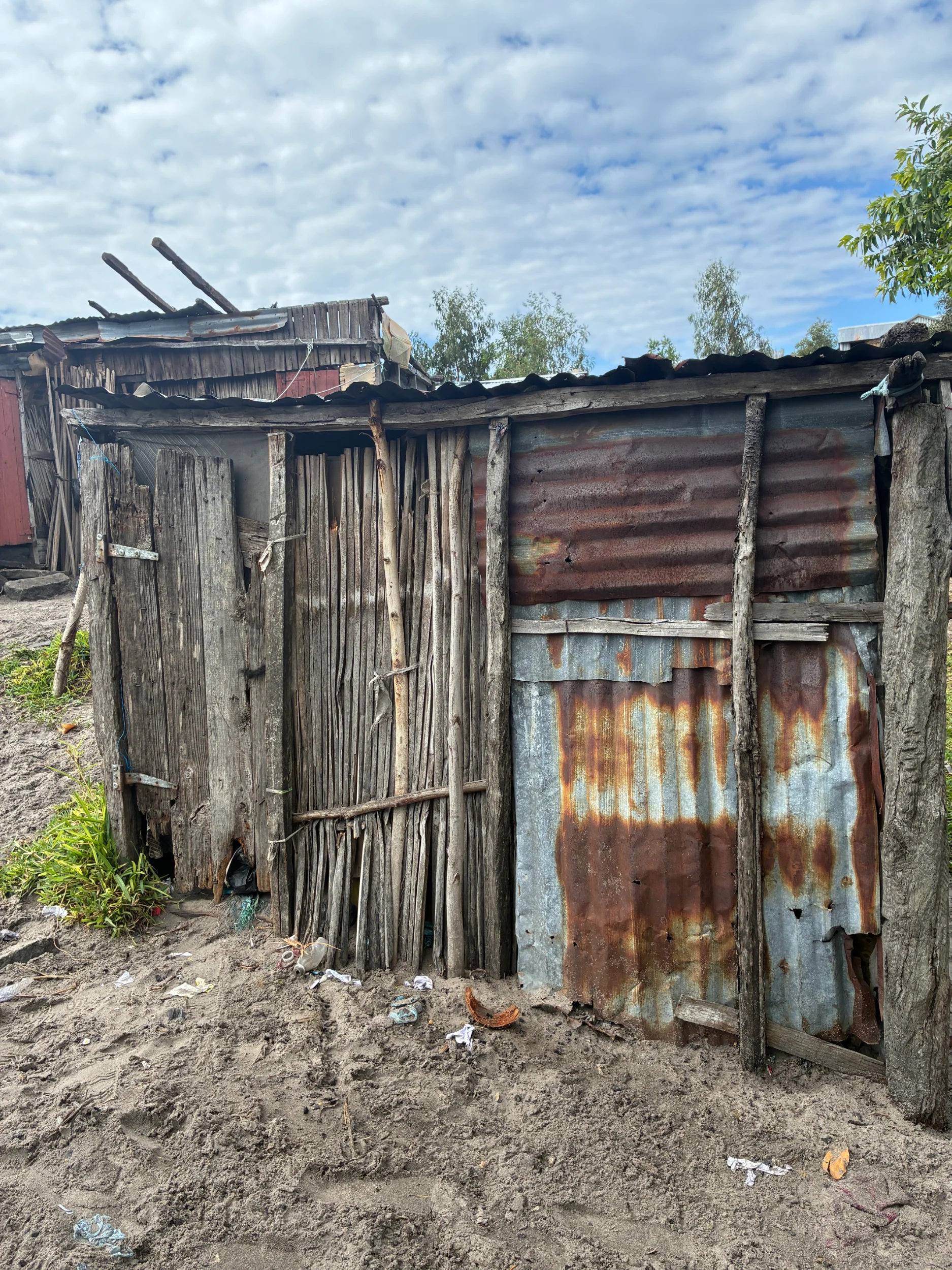
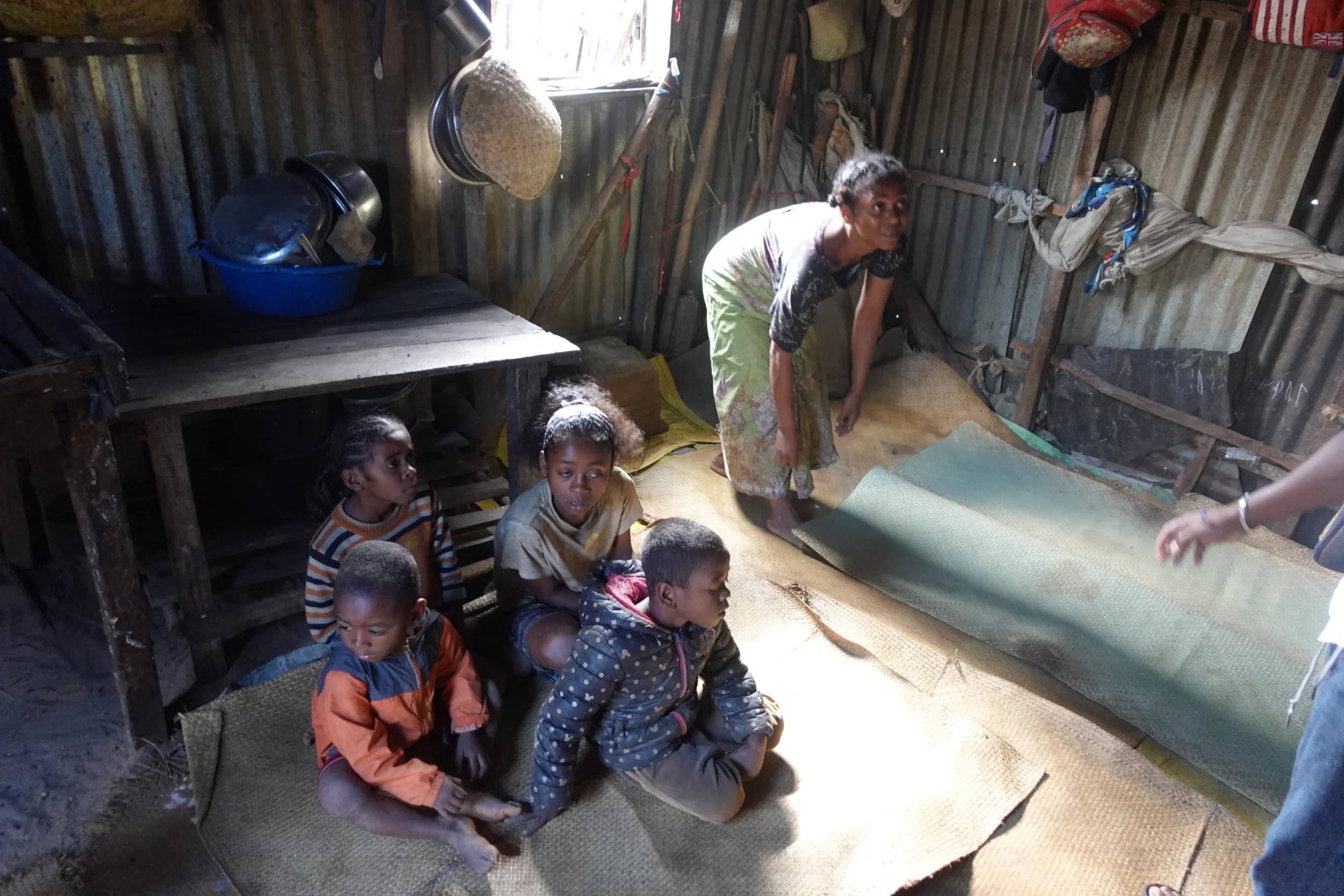
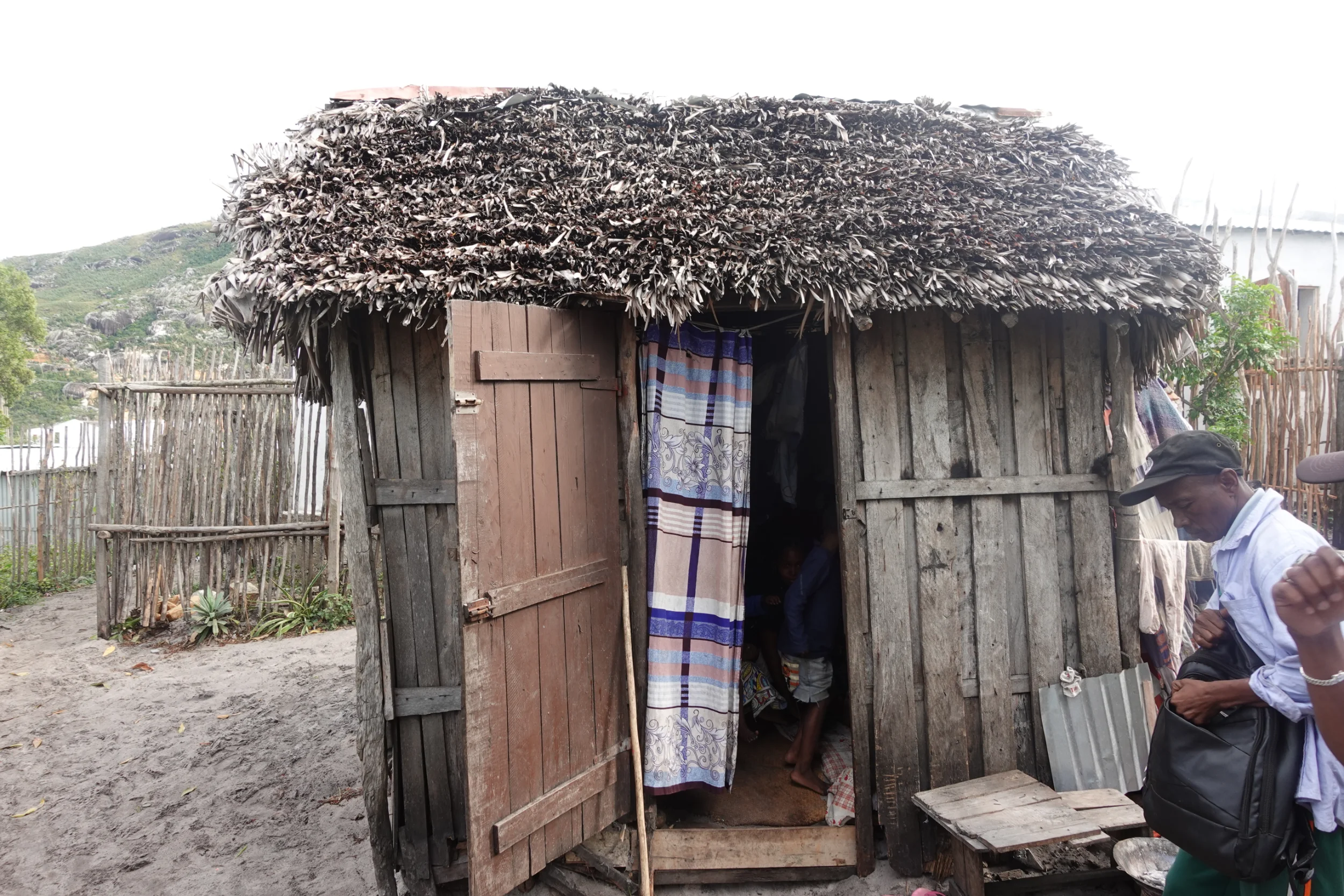
And that is exactly what happened. At the very first house, I realized how different the reality of many families in Fort-Dauphin is. Small wooden houses, extremely simple living conditions and, in some cases, very difficult hygienic circumstances. To be honest, I was speechless. From house to house, I heard story after story – situations that I could hardly have imagined before coming here.
Many families live in extreme poverty. Often, mothers are raising several children on their own while having no stable employment themselves. For many families, every single day means having to figure out how to pay for the next meal and provide for their children.
That was also when I understood the important role Centre Toky plays. The home visits are not only about getting an overview of the children’s living conditions. The team also checks whether the children are doing relatively well at home and whether the family needs support.
Between Speechlessness and Motivation
One important area is medical care. If a child needs medical treatment, the case is first discussed by a committee. Together, they decide how urgent and necessary an operation or treatment is. If medical care is approved, Maria is among those who help organize the necessary financial support.
As I listened to all these stories, I increasingly realized that behind every child I had met while playing the day before, there is an entire family story.
After three hours full of new impressions, I was mentally exhausted. Luckily, Larissa invited us to her home for lunch. We had traditional Malagasy food: fish, rice and a kind of salad. And although I had already eaten plenty of rice by then, it was delicious once again.
After lunch, I discussed with Larissa when my actual English lessons would begin. She told me that they would start the following week, on Tuesday. For this first day, it was more important that I get to know everything, find my way around and understand the different areas of Centre Toky.
At around 3:00 p.m., I returned to Marillac. I first had to try to organise all the thoughts in my head. Countless impressions came at once: the children from the previous day, their games, the conversations with the brothers, the families whose homes we had visited, the stories I had heard, and the question of how I could best contribute in the coming weeks.
At the same time, I realised something very important that day: what I am doing here is not just help that looks good on paper. I could see with my own eyes where the support reaches people and what difference it can make in their lives. That realization motivated me enormously.
Back at Marillac, I immediately started preparing my future English lessons and collecting questions that I could ask during the next home visits. I wanted to understand the families’ situations even better while also thinking about where I could make a concrete contribution.
If I had to sum up these first two working days, I would probably say: I have never had a day with so many new impressions and thoughts in my head at once.
And my actual work – teaching English – had not even started yet.